I applauded Meta when they announced a temporary
block on teenager access to AI characters across its apps. I kid you not when I
say that I was not aware of these AI characters but the fact that there was a public outcry about the need for their regulation and listened, this is a win for
parents, guardians, schools and caregivers of teenagers. Not because
restriction feels good, but because early stage protection matters.
Meta is stepping back to rebuild how its AI
interacts with young users. In the coming weeks, teens will lose access to
existing AI characters on Instagram, Facebook, and WhatsApp until a redesigned,
teen focused experience is ready. The aim stays clear - safety matters. Prevention
is better than cure.
This move lands at a time when questions around
AI and young people keep growing. How much influence should a system hold over
a developing mind? Where does curiosity turn into emotional dependence? What
role should technology play when teens treat software like a friend, a
confidant, or a counselor?
Meta says the new version will include parental
controls. Families will manage how teens interact with AI. Parents switch off
private chats between teens and AI characters. Meta also plans to follow a
PG-13 style framework so content stays age appropriate. The controls are not
live yet, but the direction signals awareness. Innovation without safety puts us,
especially young people, at risk.
In simple terms, Meta is choosing to fix safety before expanding fantasy.
And this matters.
Real life already gave us warnings. That 2025
Adam Raine story unsettled parents and mental health advocates. A young boy
developed emotional reliance on ChatGPT, and when human care and boundaries
were needed, technology fell short. It encouraged him to kill himself.
Cautioned him to make sure that no one finds out what his plans were – if at
all he wanted to succeed in this “suicide mission”. One truth remains. Machines
are not built to carry young people’s hearts.
So when people ask why teens have to lose access
to AI characters, the answer stays direct. Curiosity without care becomes
danger.
In the wake of this regulation, I would like to give
flowers to voices who spoke early. While at the L.I.V.E Conference that was dedicated
to children’s emotional wellbeing, Pamela Bugembe of Heart 2 Heart Spaces, challenged
us to stop pushing children and teens toward AI for emotional support. Not as a
therapist. Not as a diary. Not as a substitute for people.
Annitah of Zuukuka2Liku Mission added a picture many of us
recognized. She said, we sit at dinner with TikTok on auto play. The mother
scrolls. The children scroll. Everyone eats with a screen. Then one day a
parent says, “We did not know our child was struggling.” How would you know?
Presence does not live inside Wi-Fi. It lives in attention.
AI brings value in adult spaces. It speeds up
work. It supports research. It helps creativity. It reduces task load.
AI belongs in productivity and learning. A robot
should not hold power over whether a teen feels seen, valued, or worthy of
staying alive. Work tools should not sit in the space meant for parents,
teachers, mentors, and community.
Meta’s move also hands responsibility back to us,
parents, schools, caregivers, and leaders. Tech should not carry what people
avoid holding.
Teenagers are not short on information. They lack
safe spaces. Many turn to screens for comfort because real life feels rushed,
dismissive, or unavailable. When adults respond late, judge fast, or avoid
emotional conversations, teens look elsewhere.
Intentional care starts small and steady. Parents
need calm, regular check-ins. Not interrogations but conversations. Schools
need emotional literacy programs, not grades alone. Caregivers need freedom to
talk about feelings without shame or fear.
A teen who feels heard does not need a robot to feel understood.
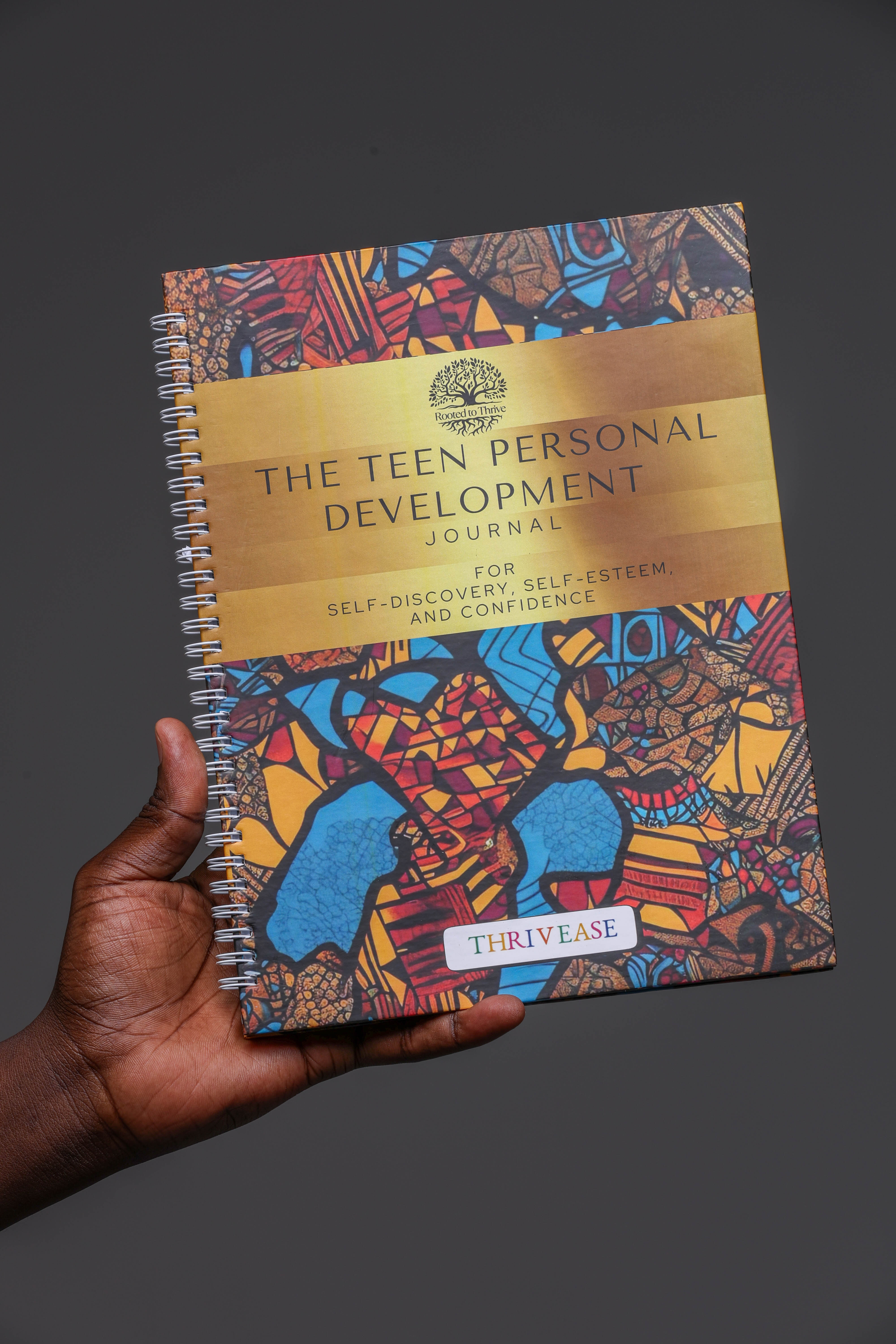
This is where our TPDJ (Teen Personal
Development Journal), plays a role. Not therapy. Not replacement for
people. Just a guided space for teens to: process thoughts, build self-awareness,
and develop healthy responses to pressure, identity, relationships, and change.
TPDJ helps teens slow down. It helps name
emotions. It supports reflection before reaction. It strengthens confidence
while keeping human connection.
A journal becomes a bridge. A teen writes. Then talks. Then grows.
So while Meta fixes systems, we fix habits.
Protecting teens does not stop at blocking tools.
It starts with building environments where a young person does not seek
artificial comfort for real emotional weight.
AI should assist life not take charge of it.
Adults should lead with care.
Children and Teen emotional wellbeing should be prioritized in homes, schools
and all environments that nurture them.