I have grown up in church and knew no safety without expressing trust in the Lord. Heck, there were days I could easily pass for a Moslem for the many times I prayed in the day. Life crushed me to the point of contemplating suicide. By then, my prayer life had faltered. I no longer trusted clerics, and continuing to have a relationship with God seemed pointless. I still went to church like the good Catholic I had been raised to be, and yet I always left more hollow. There is this one time I was walking back from church to my hostel with a friend. I remember us chatting while we walked, and the next thing I saw, or rather felt, was him yanking me from where I was, and the overspeeding bus passed the exact spot where he got me from.
It felt like he had woken me up from a dream. It did not make sense how this gentle soul was rough on me, and yet I could also see that a bus was going to end my life. To date, I have never understood how our chitchat ended and I ended up walking ahead of him. He said that the bus driver has hooted so many times, but I was not responsive. I heard nothing. Not even the people that yelled, commanding that I get off the road. "How did I leave the conversation and end up almost getting run over by a bus?" Is a question that has left me unsettled since 2015.
That same year, I made a decision not to go back to church, and I spent close to 9 months on a break from a place I thought I knew well for more than 2 decades of my life.
Fast-forward to 2019, when I start learning about mental health. My struggles in the years between 2014 up until then made sense. There was a word for it, and there were ideas on how best to manage mental health crises.
Now here is the thing. I suffered in ignorance and silence, and yet just a few weeks ago, I thanked God that I never spoke out. It is one thing to speak out with a clear understanding of what is going on and have people who would indeed understand, and it is another wild goose chase to have to air out your emotions to someone who would pull you deeper into the very shadows you are already fighting to escape.

It is 6 years of mental health advocacy, and I have noticed that even in spaces where we would originally feel safe, too often, churches discuss mental health in terms of demon possession or spiritual warfare rather than emotional and psychological well-being. I grieved for how horrific it would have been for me to seek help in the House of the Lord, only to be met with contempt and rebuke. It is happening to many. Some have left the church when they never felt seen and supported. Others are hanging on, and the others, unfortunately, got tired of the performativeness, and we lost them by suicide - not just the congregants but the church leaders themselves.
So Where Do We Go From Here?
On 25th October 2025, NABU Network, in collaboration with Era92 Hub, opened a tender space for one of the most overdue conversations in our communities. This Mental Health Garage session was an intersection of faith, shame, and emotional safety.
Africa’s spiritual roots run deep. Faith is often our anchor in times of heaviness, yet too often, faith spaces have also become places of silence, shame, and misunderstanding. This gathering was a gentle invitation to name what is usually left unspoken - to reflect on how faith has shaped our emotional lives and to begin reclaiming safety in our spiritual journeys.
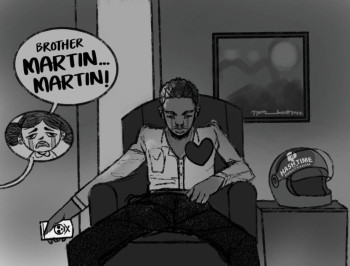
The session was facilitated by psychiatrist Dr. Agaba Denis and Christian apologetic Ms. Racheal Mutesi, with visual storytelling by Mr. Mukiza Calvin. Out of 30 expected participants, 27 arrived, and they stayed far longer than planned.
What unfolded was not just a program but a release:
- Early joy: The first arrivals received hampers, setting a tone of celebration.
- Gentle grounding: Coloring pages invited participants to settle in with clarity.
- Playful connection: Bingo cards sparked conversations about misunderstood prayers, tears in worship, and the hidden emotional truths of church life.
- A powerful apology: Ms. Racheal offered an apology on behalf of the Church, opening a floodgate of stories and reflections.
- Moments of reckoning: When asked where the chasm between mental health professionals and the Church began, Dr. Agaba’s response stirred a silence heavy with recognition.

The session stretched from two hours into nearly four and a half. Not because of poor planning, but because people leaned in. They asked hard questions. They shared stories they had never voiced in church.
Immediate Ripples
One pastor left the session determined to visit two young people in his congregation - one grieving displacement, another carrying resentment toward her mother. He wrote:
“We learned a lot. The shading helped us focus and let go of thought, leading to a fresh mind. From the two presentations, I saw that being a man of God doesn’t mean we’re right in everything. We need to learn and relearn how to manage people within our space. I’ve seen many leave church because they were misunderstood.”
This is the kind of impact that cannot be measured in attendance numbers alone. It is the quiet shift of perspective, the courage to act differently, and the willingness to see dignity where shame once lived.
What We Observed
From the earliest stages of preparation, it was clear this conversation was long overdue. Despite hesitation from some religious leaders, the poll results spoke loudly: congregants are yearning for emotional and mental health support within faith-based spaces.
The hunger is undeniable. The courage to name shame and seek healing is rising.
A Beginning
The Faith, Shame & Emotional Safety Mental Health Garage session was more than a session. It was a beginning. Participants didn’t just attend; they stayed, they shared, they shifted. And they asked for more.
The work ahead is clear:
- To keep creating spaces where emotional truth and spiritual identity can coexist.
- To keep pushing for these conversations to be held within faith-based institutions, where they are most needed.
- To restore dignity in spiritual conversations so that faith becomes not a place of silence and shame, but of healing and renewal.
This was not the end of a conversation. It was the start of a movement.
Closing thought: Emotional safety in faith spaces is not a luxury but a necessity. And the courage to begin is already here.