When Is Enough Really Enough?
In episode 98 of Hash Time withNabuguzi Kiwanuka, I confessed something personal: my love for
content—be it in text, video, or audio—is deeply influenced by how it addresses
emotional and mental health. I don’t just consume content; I scan it for depth,
for vulnerability, for emotional honesty.
Recently,
I came across 50 Memos to Men by Silas Gisiora Nyanchwani. It
was the 6th memo that made me pause. Tucked in there was a list of end-of-year
lessons from 2020—thoughtful, direct, and surprisingly heavy in emotional
insight. One lesson in particular stopped me in my tracks:
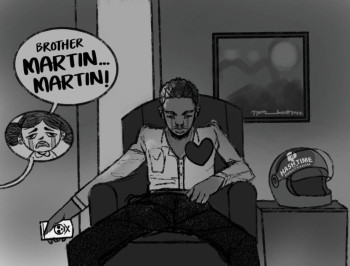
“Drink
for leisure and pleasure, not to drown pain. The car doesn't know its way
home.”
Whew.
That line isn’t just about the dangers of drunk driving—it’s a quiet scream
about something deeper: the creeping reality of alcohol dependency.
The Danger Behind
the Bottle
While
Silas raised concern about the physical consequences of drinking, my mind raced
toward its emotional counterpart: the psychological dependency that quietly
takes root when we drink to soothe sadness, loneliness, or stress.
Last
year, on Suicide Awareness Day, we had a mental health professional—possibly a
psychologist or psychiatrist—speak at an event. She said, “When you’re
bored or sad, do something that will make you happy. Find healthy
distractions.” We nodded in agreement. Then she added, “Do not
drink alcohol.”
The
crowd scoffed. Even I—someone who drinks maybe five times a year—was taken
aback. Do not… what? But she laughed knowingly and explained:
when you drink to escape sadness or boredom, your brain starts to build an
association between alcohol and emotional relief. And that, she said, is how
psychological dependency forms.
According
to a blog post by Priory Group,
“If
you feel you need a drink every night or to get through a social event,
stressful situation, or personal struggle—and you constantly crave alcohol—this
could be a sign of psychological dependency.”
Real Stories. Real
Alarms.
HTNKpodcast
has hosted guests who’ve battled and overcome addiction. Every conversation
sounds the same alarm:
There’s fire on the mountain—and nobody seems to be running. (Hi,
Asa 🤗)
Alcohol
is a psychoactive substance. It can be powerfully habit-forming, especially
when used to quiet emotional pain. The euphoric “high” becomes a desired
escape, and that desire becomes desperation. Eventually, you begin to need the
drink, not just want it.
Here’s
how it creeps in:
- Emotional pain → Drink → Temporary relief
- Repeat the cycle often enough → Brain builds tolerance
- Tolerance → Need more alcohol for same “relief”
- Need more → Risk of addiction
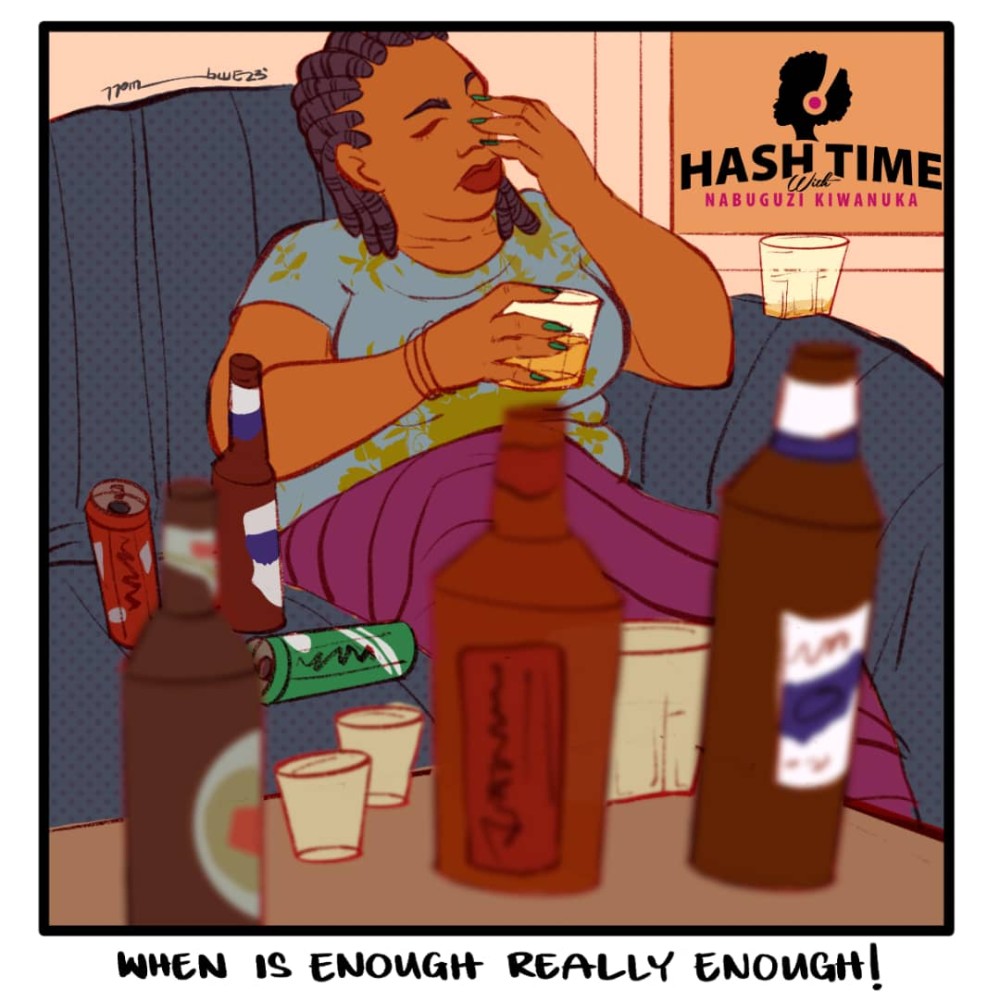
My mother, a medic, always warned me about drug resistance. Take your medicine exactly as prescribed, she would say, or your body stops responding to it. The same principle applies here: your brain adapts. What once took half a bottle now takes three. Then six. Then 24. Not to enjoy, but to cope.
Fitting In,
Falling Apart
And
then there’s the social factor—the peer pressure, the Friday night rituals, the
culture of “let loose or lose your mind.” I’ve listened to stories from guests
who admitted that social FOMO (fear of missing out) played a massive role in
their dependency.
It
starts with “I’ll just come along,” and before you know it, you're drinking to
belong, to feel alive, to distract from the void inside.
For
many, this evolves into something else entirely: withdrawal symptoms.
You try to stop, and suddenly you're facing anxiety, nausea, insomnia. You feel
stuck. Alone. Tired. But you're not alone.
To Those Still in
the Fight
If
you're trying to help someone through addiction—or you're trying to help
yourself—this is your reminder:
- You're
not broken.
- You're
not built to depend on alcohol.
- You're
not the first to struggle.
- Healing
is messy, but possible.
- One
day at a time is still progress.
If
you're supporting someone who relapses, know that they likely want to get
better just as badly as you want them to. But some days, the addiction wins.
That doesn’t mean hope is lost.
The Bigger Picture
Addiction
is a complex disease. It isn’t born out of weakness. It’s a mix of genetics,
environment, trauma, and mental health. Which means none of us are entirely
immune.
But
recovery is possible—and seeking help is one of the strongest
things anyone can do.
If
you or someone you know is struggling with alcohol dependency, please talk to a
mental health professional. Listen to stories. Reach out to support groups.
Don’t wait until the fire burns everything down.
Final Words
Drinking
can be a choice. But dependency often isn’t.
Let’s stop shaming, start listening, and remember: no one heals alone